

Scents That Gen Z Like in India: Perfume Trends, Notes, and What’s Selling Now
Gen Z in India is no longer focused on finding one “signature perfume.” Instead, they’re creating a scent wardrobe—different fragrances for different moods, outfits, seasons, and occasions. Social media is a major driver of this shift. Trends from #PerfumeTok, Instagram Reels, and YouTube Shorts have made perfume discovery mainstream through quick reviews, “top 5” lists, layering hacks, and micro-trends like smellmaxxing, where fragrance becomes part of a complete personal-brand routine.
So, what fragrances does Gen Z in India actually like?
1) Gourmand perfumes (sweet, cozy, compliment-friendly)
Gourmand scents are leading the conversation. Notes like vanilla, caramel, tonka bean, praline, and chocolate feel warm, nostalgic, and highly “complimentable.” In India, this trend often shows up through body mists, affordable EDPs, and value-for-money dupes that deliver a sweet scent trail without luxury pricing.
2) Fresh, clean “skin scents” for everyday wear
3) Modern heritage: attars and wearable oud blends
Traditional notes are being updated for modern taste. Attars, oud-inspired blends, amber, and woody musks are being reformulated to be smoother and less smoky. Many Gen Z buyers like these scents when balanced with sweet or clean musky bases—creating a contemporary Indo-West vibe.
What this means for the market?
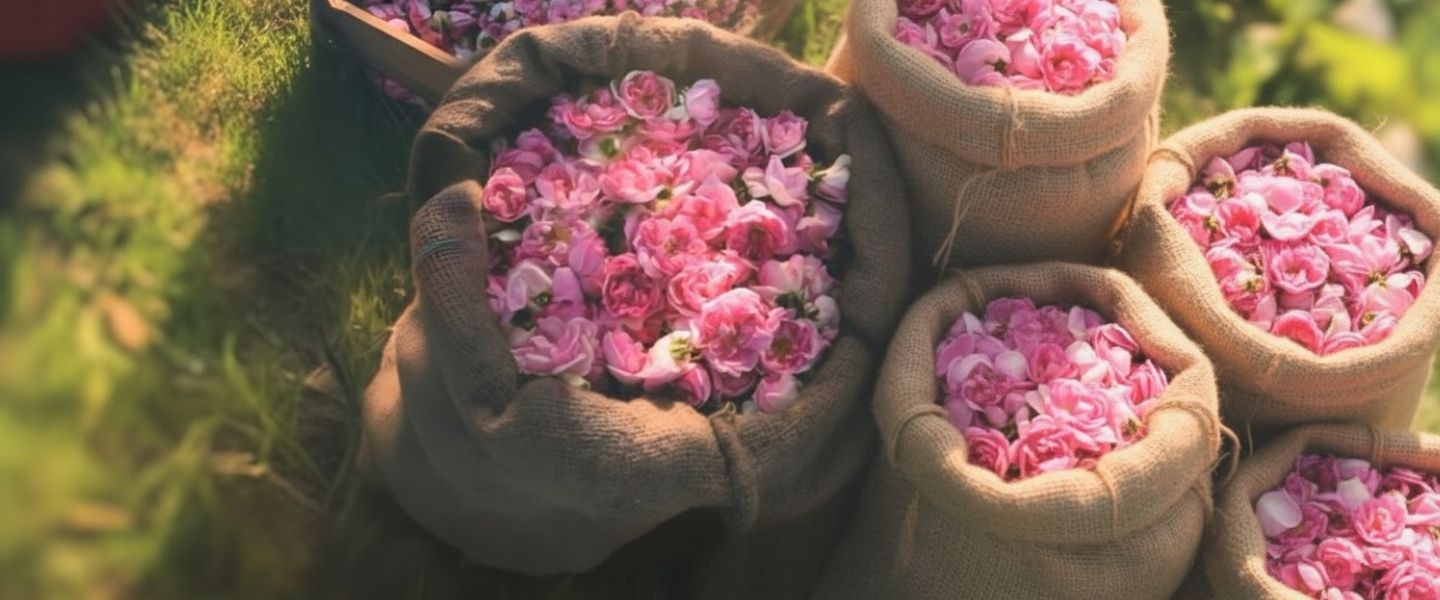
Scents That India Loves: From Ancient Culture to 2026 Trends
India's olfactory heritage blends millennia-old rituals with vibrant modern fragrance trends. From Vedic sandalwood to Dressberry luxury mists, explore popular scents in India today.
India's Fragrance Culture Roots
India's olfactory heritage mirrors its rich culture, with scents woven into rituals and festivals. Ancient Vedic texts praise sandalwood's purifying essence in Hindu temples, symbolizing divinity. Jasmine garlands adorn brides from bengal, while Mughal attar—rose and oud distillates—fuses Persian and indigenous notes. From southern homes, wafts tulsi (holy basil) from altars; coconut oil with curry leaves echoes Ayurvedic wellness traditions.
Modern Indian Fragrance Trends
This tapestry endures amid global fusion. Urban millennials, boosted by Amazon India and rising incomes, seek luxury like HVNLY hair mists—light oud-citrus spritzes for professionals. Instagram reels highlight vetiver for monsoons; TikTok virals push clean girl tuberose florals.
Sephora and Nykaa data show surges in sustainable niche scents: amber-infused mists and bergamot body oils honor heritage lightly. Gen Z embraces gender-fluid aquatics, skipping heavy musks; Tier-2 cities love Jo Malone lime basil dupes.
Timeless Scents Bridge Eras
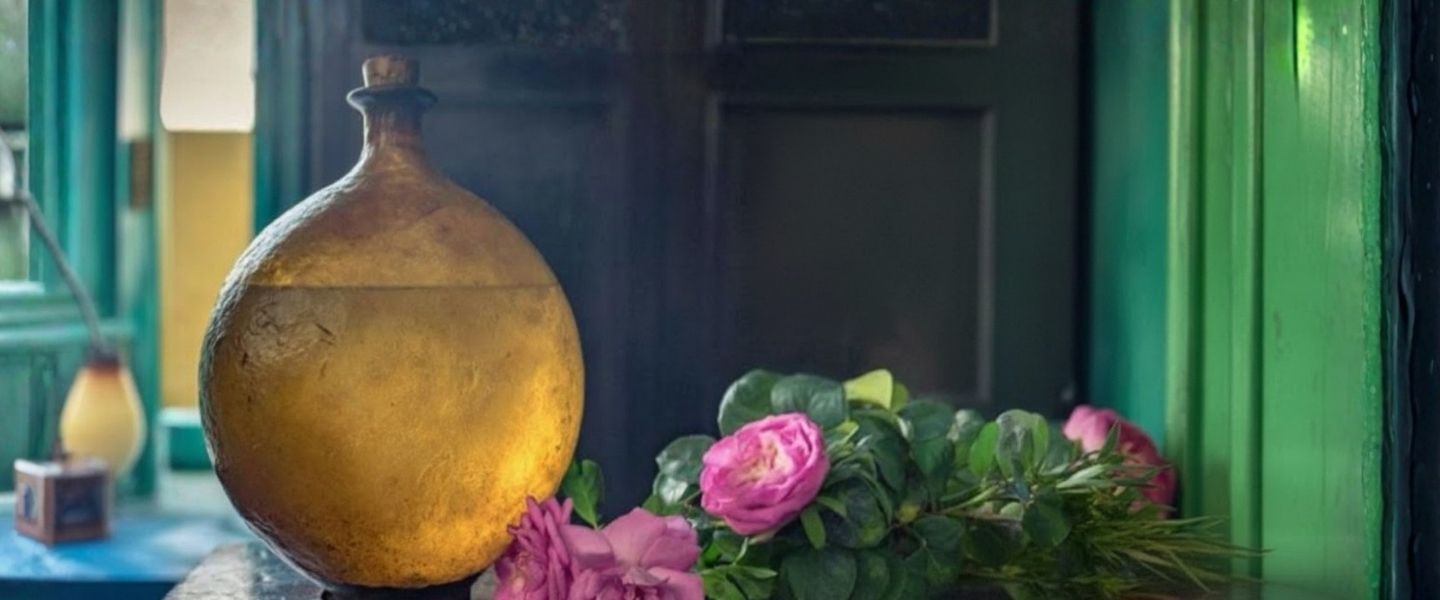
Kannauj to Grasse: Parallels and Differences Between the Perfume Capitals of India and France
Shared Heritage: Floral Bounty and Fragrance Craft
Key Differences: Attar Distillation vs Modern Fine Fragrance
The biggest difference lies in technique and market structure. Kannauj is famous for attars, produced through deg-bhapka hydro-distillation using copper vessels. This slow process traditionally captures flower essences in sandalwood oil (or modern alternatives), creating alcohol-free, oil-based perfumes used for rituals, wellness, and export.
Grasse, France, on the other hand, became a center for alcohol-based spray perfumes, scaling through advanced extraction methods and later the use of synthetic aroma molecules. This enabled consistency, projection, and mass luxury production for global fragrance houses.